
AHA Pub Trivia

Review
Sport - the superpower for body and mind
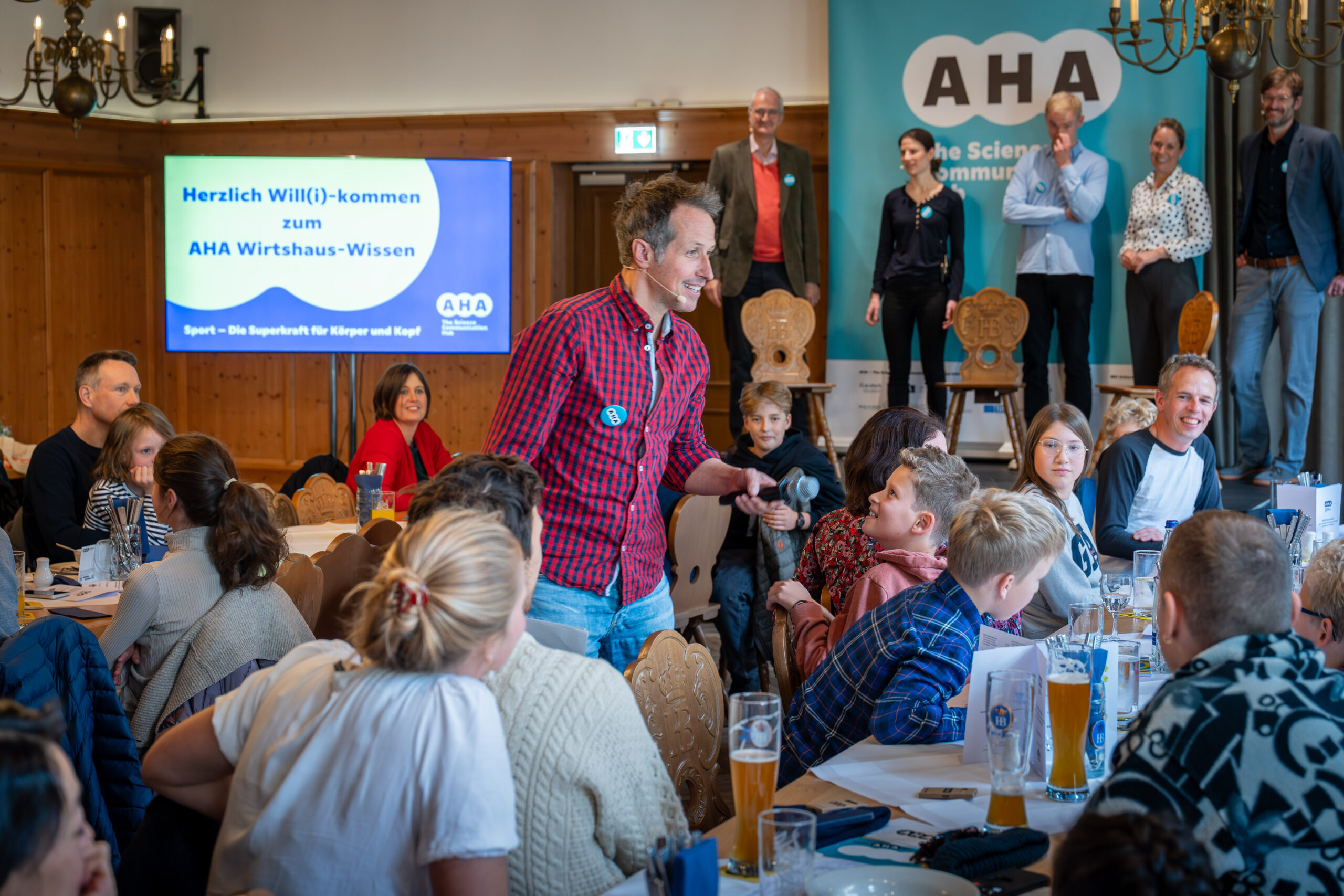
Many of the mainly young guests at the second edition of AHA Wirtshaus-Wissen at the Hofbräukeller in Munich knew from their own experience how good sport can be - whether handball, soccer, dancing or athletics. Especially after a stressful day at school or work, exercise helps to clear your head, put you in a better mood and allow you to concentrate better later on.
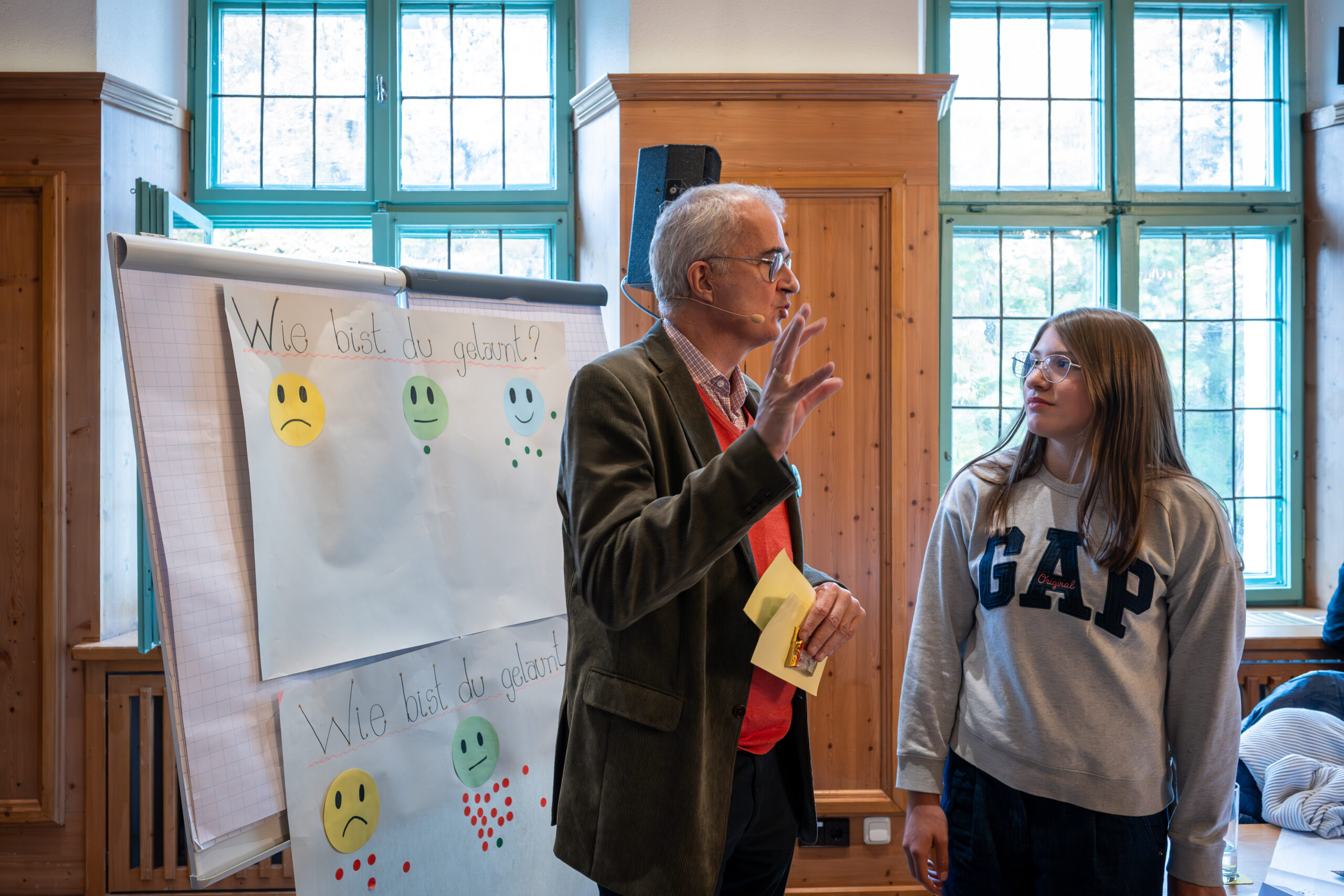
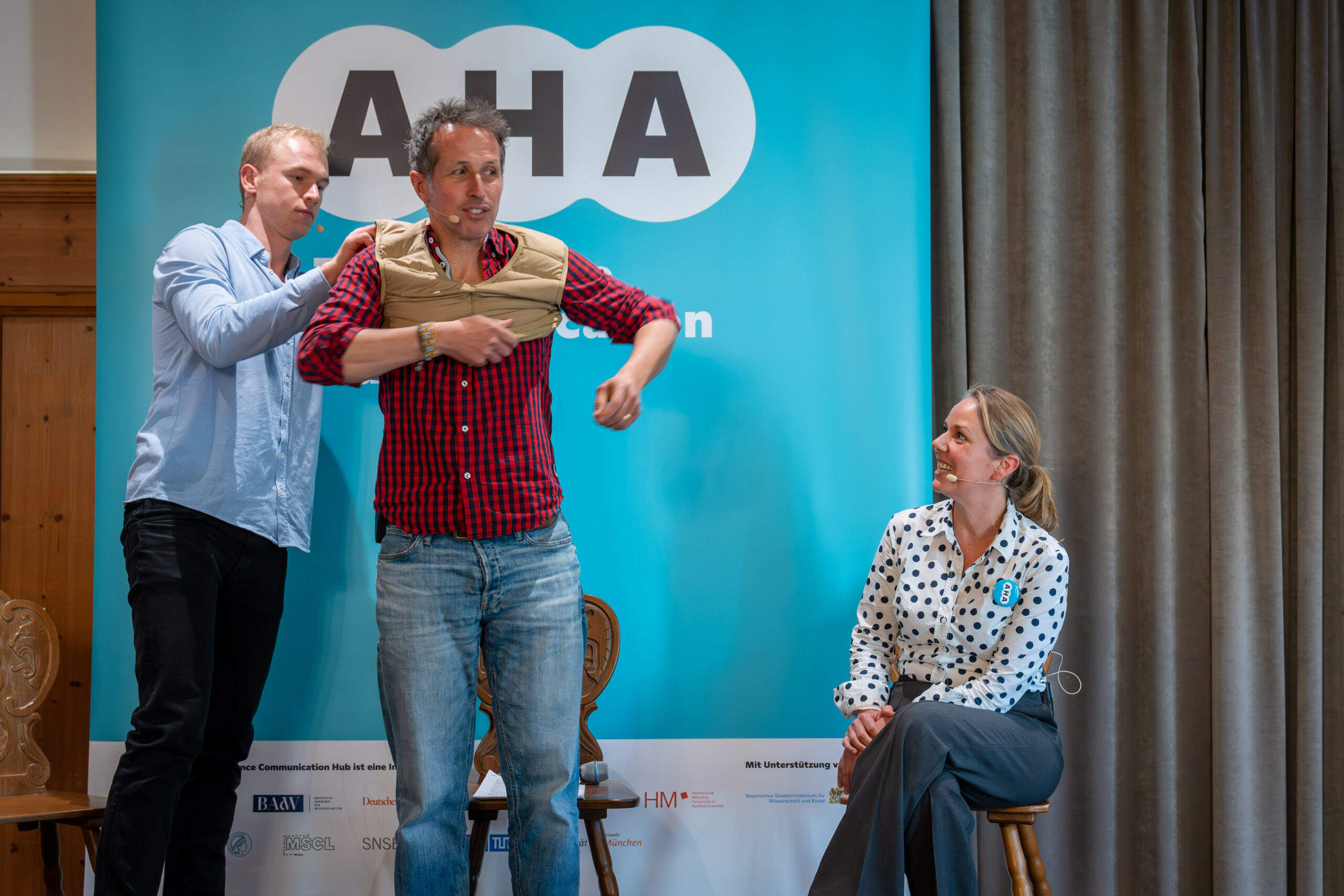
The audience in front of the stage was correspondingly interested and animated, with presenter Willi Weitzel constantly teasing out new aha moments from his guests.
Some examples:
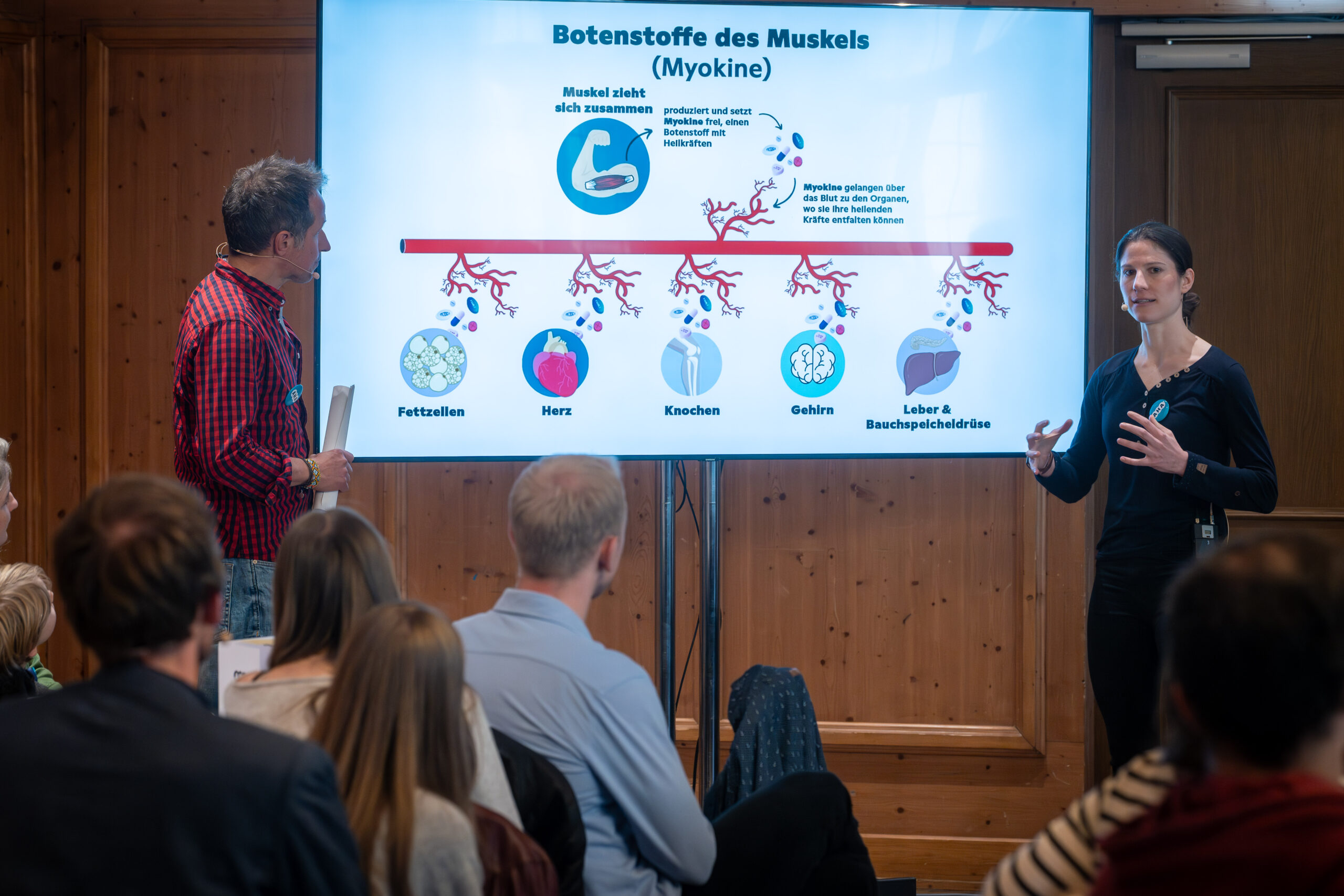
- Sport helps you become smarter: When you exercise your muscles, the area of the brain responsible for learning grows thanks to certain messenger substances. However, you still have to actively fill in the learning content.
- Children have great cooling mechanisms in their bodies! Even when they run around the soccer pitch in high temperatures, their body temperature does not rise above 38° C, the threshold for fever.
- If an adult sits on the sofa for an hour without being active, their body burns the energy of 6 to 8 jelly babies - and a child's body only burns about half that amount.
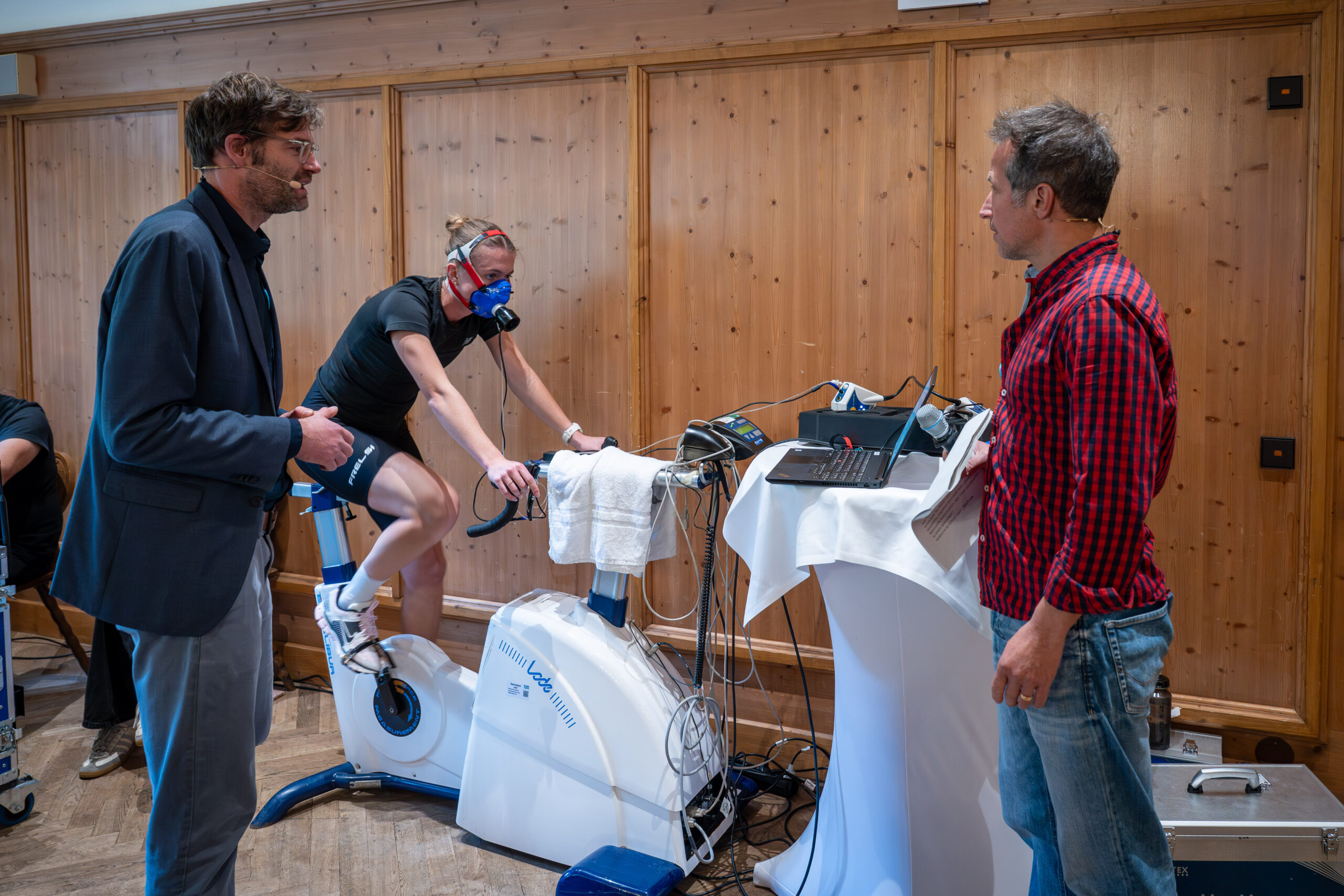
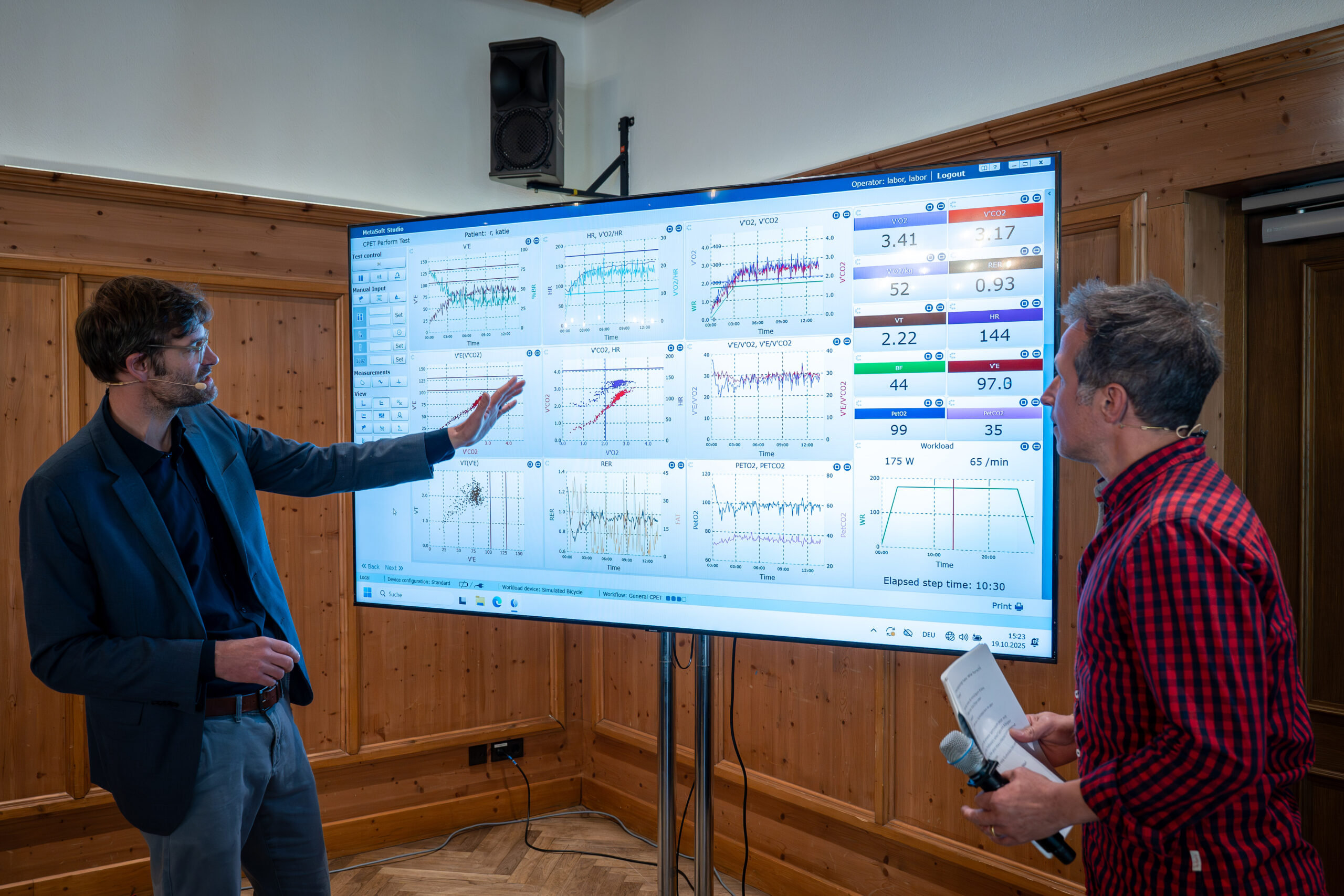
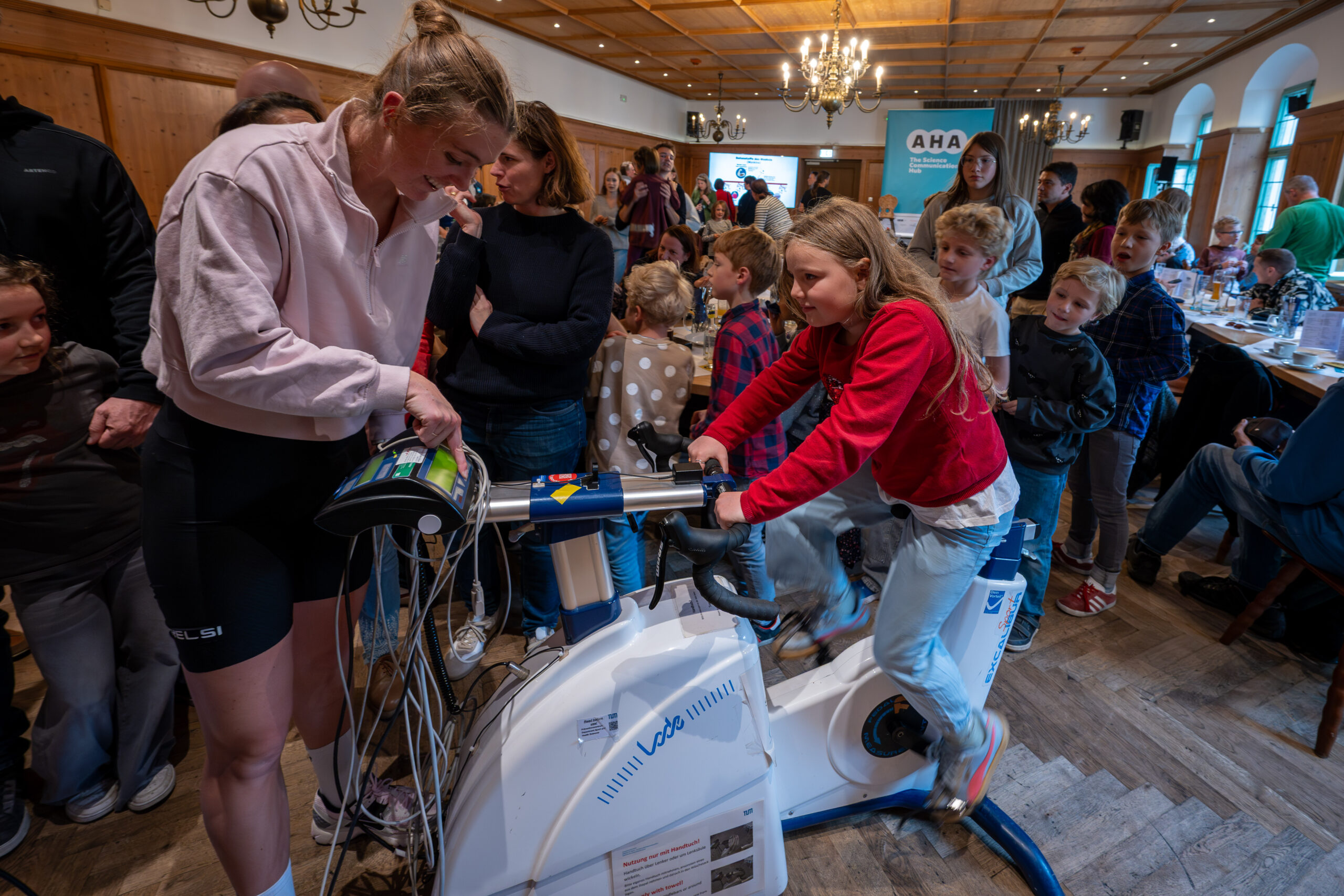
Why is it useful to research such things? For example, because you can then plan the best food supply for an extreme athlete before a competition. Or for an expedition to a particularly hot region. For situations in which a human body has to deliver the desired performance under extreme conditions, as Prof. Dr. Karsten Köhler from the Technical University of Munich (TUM) explained. Meanwhile, colleague Katie used the ergo bike to demonstrate that body cells function like small power stations, converting fuels into kinetic energy and releasing a lot of heat in the process.
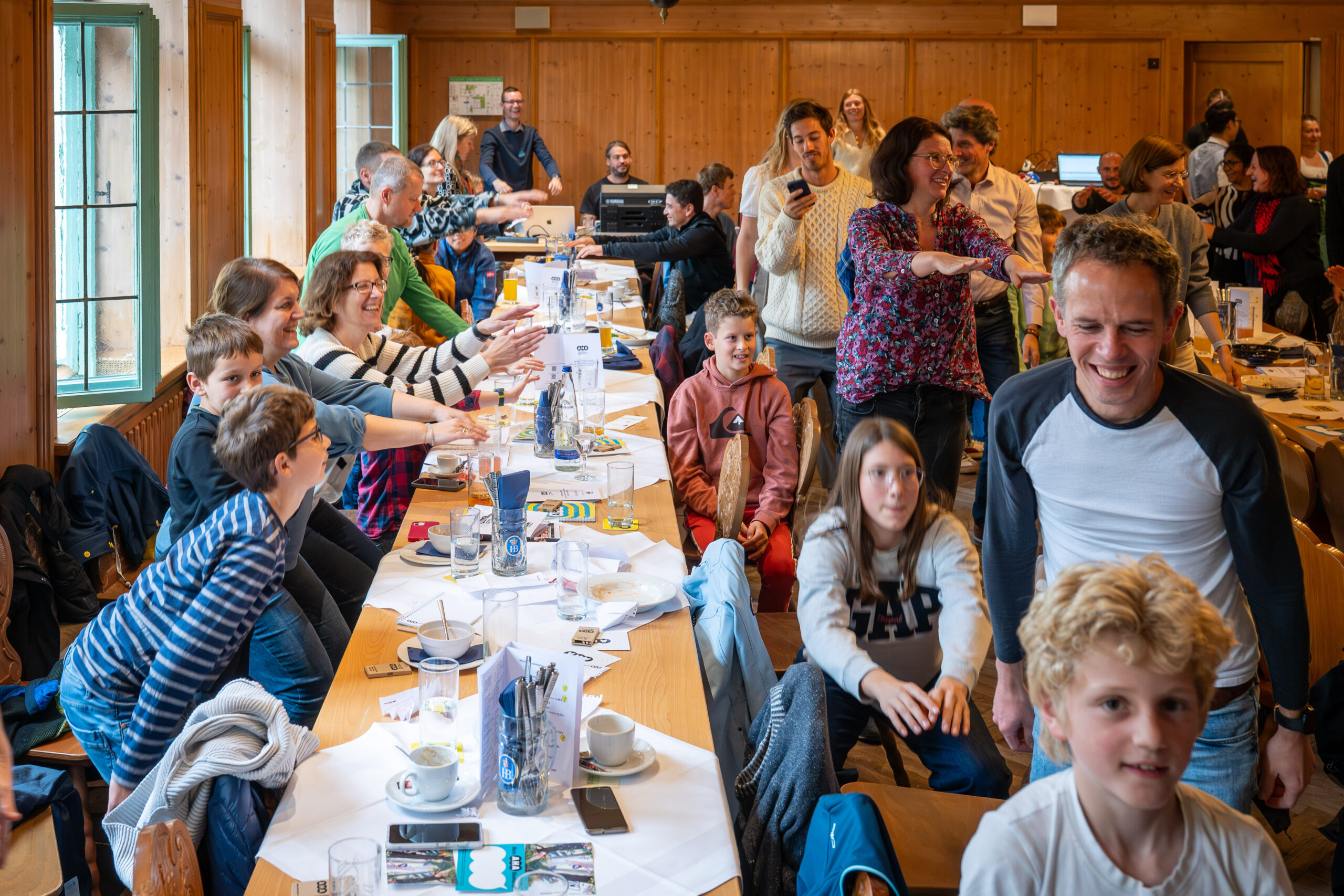
PD Dr. med. habil. Katharina Lechner from Helmholtz Munich had a secret recipe for shortening homework time. Katharina Lechner from Helmholtz Munich : four minutes of workout before the next learning unit promotes attention span, as the muscle movement releases useful messenger substances, the myokines. And these improve learning and memory, among other things. Naturally, all those present tried this out straight away under the guidance of the expert.
A modern ear sensor to measure the body temperature of patients - among other things on the Wiesn hospital ward - was presented by medical educator Dr. phil. Julia Schoierer and Malte Satow, a doctoral student at Ludwig-Maximilians-Universität LMU Munich. The future physician has studied how the body temperature of children in training develops in the heat in soccer clubs. This knowledge is particularly helpful in view of the ongoing global warming. His conclusion: no sport is more harmful than sport, even in warmer temperatures, because a trained body is better able to withstand periods of heat - especially as you get older. Nevertheless, it is better to exercise in the morning or evening when it is cooler. Dr. Schoierer also advised the children to listen to their bodies and rest if they get a headache during training, for example.
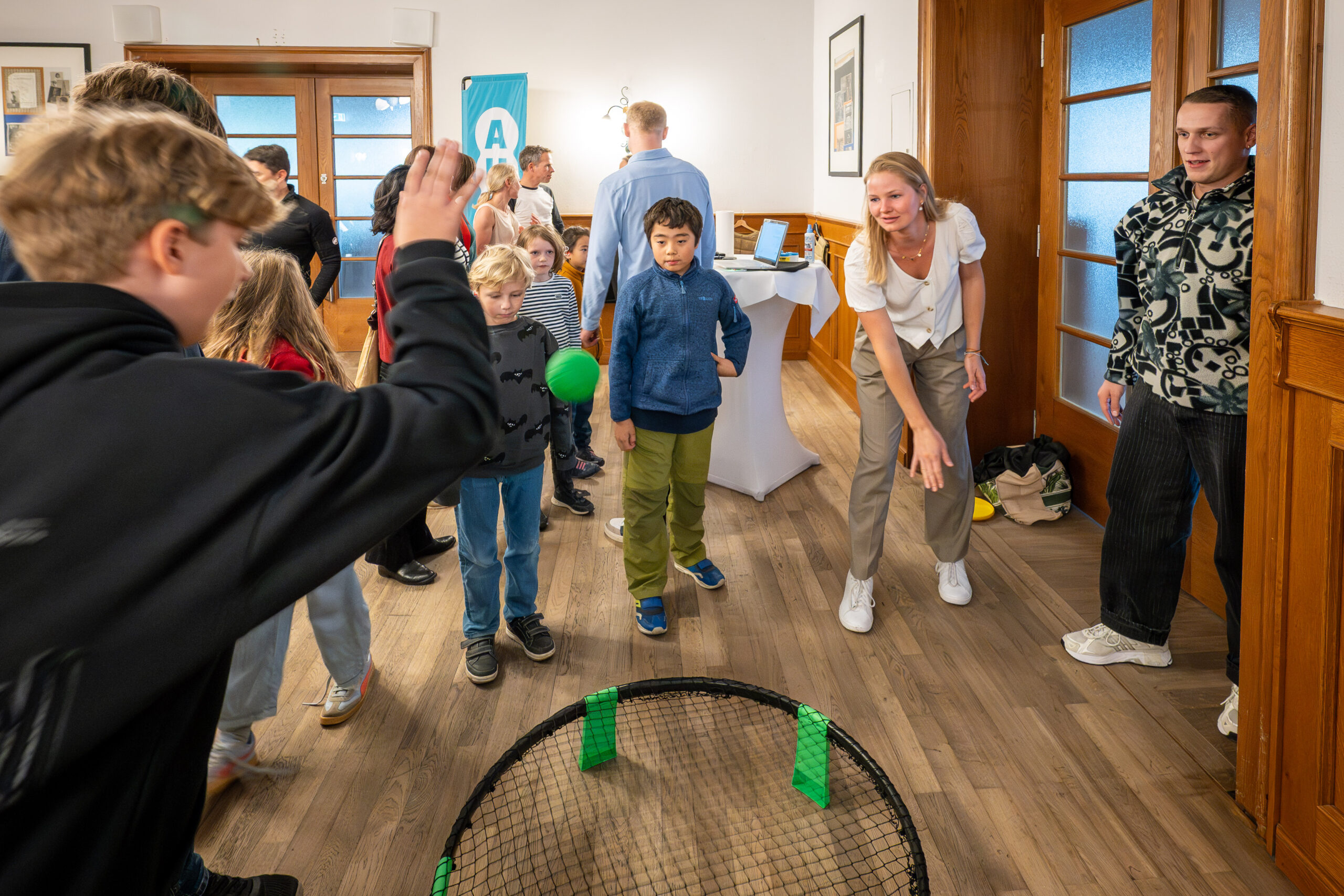
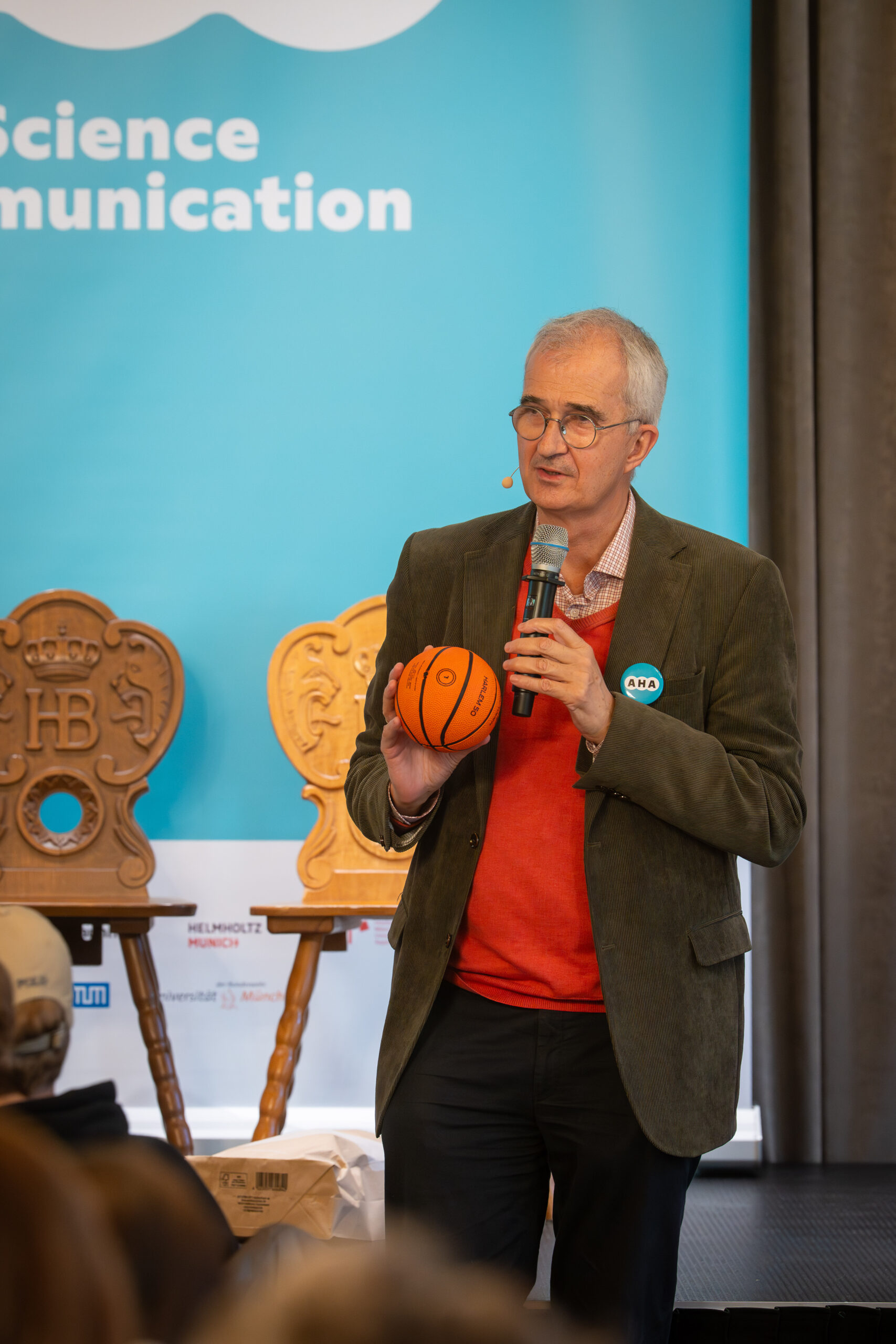
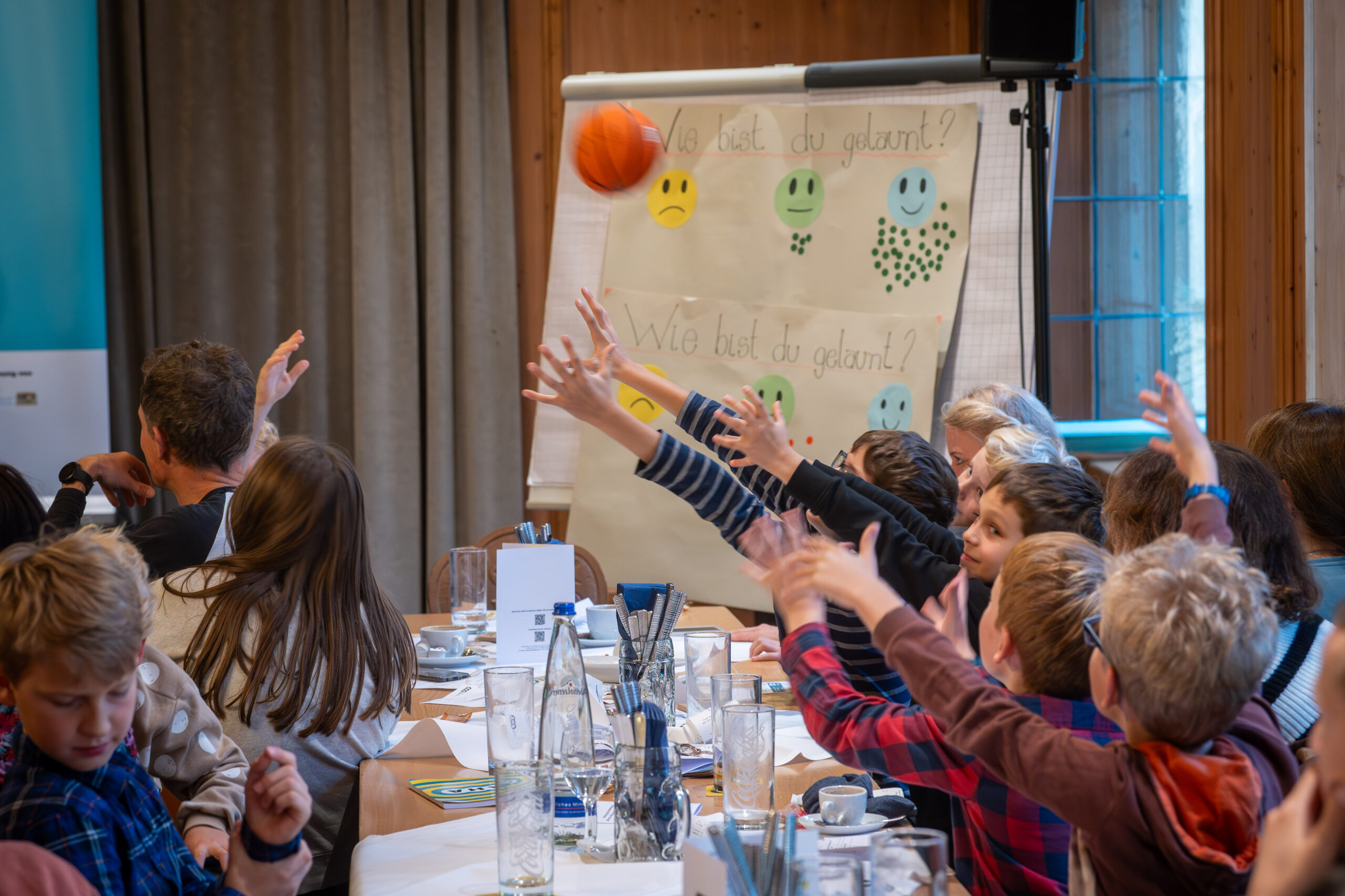
Playing ball can also do wonders for our well-being. Because it connects us with friends, is fun, gets us moving and releases important messenger substances so that our brain functions well, explained Prof. Dr. Peter Falkai, Director at the Max Planck Institute of Psychiatry and member of the Bavarian Academy of Sciences. A well-functioning brain can better buffer negative external influences. Things that are silly then carry less weight and are less stressful. On the other hand, hours of playing games regulates the stress hormones and causes the nerve cells to withdraw. And that has a negative effect on the psyche. The guests immediately drew the right conclusions and passed a small basketball back and forth between the pub tables.
In the end, Willi and the audience agree: you rarely get more motivation for an extra round of sport from a visit to a pub on a Sunday - thanks to the high-caliber guests on the podium.
This was the second edition of AHA Wirtshaus-Wissen with host Willi Weitzel on October 19, 2025. Here you can read what the first AHA Wirtshaus-Wissen was all about.